
Advertisement
Nearly 60% of American adults have taken a course or sought new skills outside work in the last five years. This shows that lifelong learning benefits are now common, not just for a few.
This article talks about how learning for life goes beyond just getting ahead at work. It uses research from the National Institute on Aging and others. We show how learning helps keep your brain sharp, builds emotional strength, and strengthens social bonds.
Our main point is simple: learning for life makes you more employable. It also improves your memory, reduces stress, and helps you earn more over time.
This article is for adult learners in the United States. It offers a clear guide. You’ll learn about the definition and history of lifelong learning, its cognitive and emotional benefits, and its social impact.
You’ll also see how learning can boost your career and finances. We discuss the role of technology, personal growth, and overcoming barriers. Plus, we look at future trends like hybrid learning and globalization.
Keep reading to find out why continuous education is important. You’ll see how small steps in learning can make a big difference in your life.
1. Understanding Lifelong Learning
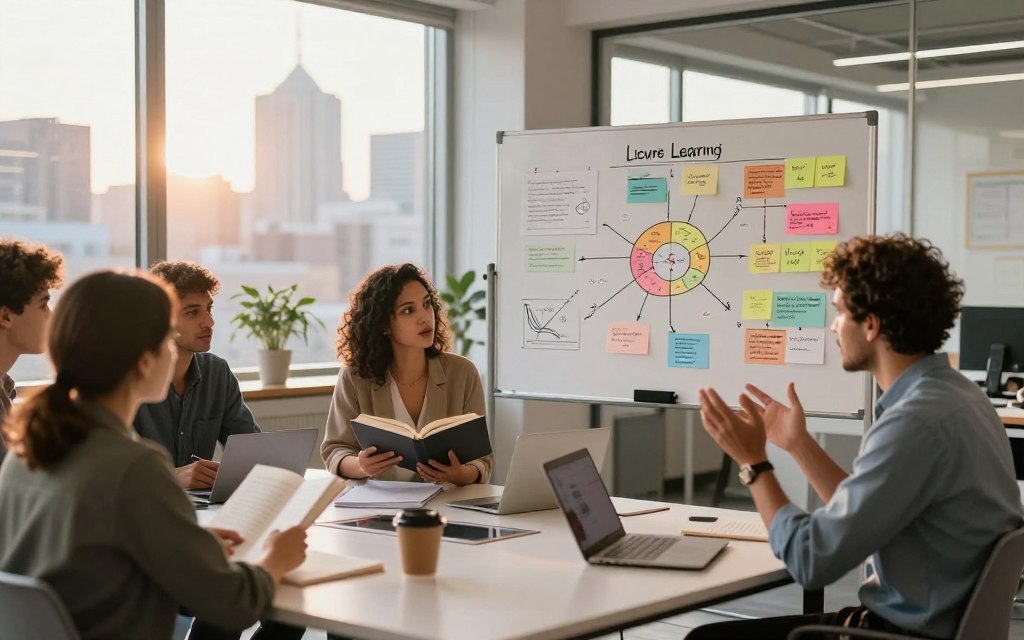
Lifelong learning is about always seeking knowledge for personal or work reasons. It includes formal education, workshops, and online tutorials. This variety helps adults fit learning into their lives and goals.
Definition and Concept
This concept means learning that never stops. Adults learn about things that interest them, like their jobs or hobbies. This learning is different from school because it’s chosen by the learner.
Historical Context
The idea of lifelong learning has been around for a long time. In the 20th century, experts like Malcolm Knowles helped shape how adults learn. They focused on making learning more about the learner.
Community colleges and universities started offering more learning options. Groups like the U.S. Department of Education and UNESCO made lifelong learning a goal for everyone.
Importance in Today’s Society
Today, the job market and life expectancy are changing fast. This makes learning a must for keeping up. Learning helps you stay adaptable and financially stable.
It also makes you more fulfilled and helps you contribute to society. You can learn through online courses, community classes, or professional certifications. These activities improve your mind, social skills, and more.
2. Cognitive Benefits of Lifelong Learning
Learning new things changes how our brains work. This change, called neuroplasticity, helps us think sharper and solve problems faster. It makes us better at planning and adapting to new situations.
Enhanced Problem-Solving Skills
Trying new things, like learning a language or coding, boosts our brain power. Studies show that keeping our minds active improves our ability to reason and solve problems. It helps us think on our feet and make smart choices.
Doing complex tasks trains our brains to work better. People who take on new projects or attend workshops see big improvements in their decision-making. These benefits make our daily lives and work better.
Improved Memory and Retention
Keeping our minds active helps us remember things better and slows down brain aging. Research shows that active learning keeps our memory sharp over time. Techniques like spaced repetition and flashcards help us remember things longer.
Using different study methods and apps like Duolingo can make learning more effective. These tools help both young and old learners. They show that education benefits us at any age.
Lifespan Perspective and Practical Applications
Improvements in thinking skills happen at any age. People in their 40s and 50s can get better at their jobs. Older adults can keep their minds sharp and even lower their risk of dementia.
Activities like classes, workshops, and puzzles are great for our brains. Doing these things regularly helps us learn and remember better. These small steps add up to big rewards for lifelong learning.
3. Emotional Advantages
Learning beyond the classroom does more than just update your resume. It changes how you feel about yourself and handle life’s ups and downs. It boosts confidence, lowers stress, and builds resilience. These changes are key benefits of continuous education that improve your daily life.
Boosting Self-Confidence
Learning a new skill shows you can do it. This boosts your belief in yourself. Getting a professional certification, joining Toastmasters, or taking a cooking class all increase your self-esteem.
Setting small goals and celebrating your achievements helps a lot. Joining a class or online group gives you feedback and support. These steps highlight the benefits of adult education that build lasting confidence.
Reducing Stress and Anxiety
Learning offers a sense of purpose and routine, which can calm your mind. Activities like art or music lessons can put you in a flow state. This state reduces worries and improves your mood.
Research shows that community education programs lower anxiety and improve mental health. Choosing a hobby or short course can distract you from daily stress. It also provides social interaction and meaningful activities. These are important benefits of life-long learning for your emotional well-being.
Emotional Resilience and Social-Emotional Skills
Continuous learning makes you adaptable. It prepares you for changes, like career shifts or retirement. Studies show that ongoing mental activity reduces depression and strengthens coping skills.
Many programs teach emotional skills, like mindfulness and emotional intelligence. These lessons improve relationships, communication, and conflict resolution. With support from peers, these skills build resilience.
Practical Suggestions
- Set small, achievable goals and celebrate your successes to stay motivated.
- Choose projects that interest you and help you build skills for fun and engagement.
- Join learning communities, like local colleges or Meetup groups, for support.
- Balance practical certifications with leisure classes for a mix of purpose and enjoyment.
These adult education advantages make learning a tool for emotional growth. They turn study into a source of confidence, calm, and resilience that lasts beyond any single course.
4. Social Impact of Lifelong Learning
Learning together brings people closer than many activities. Classes, study groups, and book clubs help us bond and form friendships. Programs for adults and kids together show the power of lifelong learning.
Building Stronger Relationships
Being in the same class gives us common goals and experiences. This makes it easier to talk and trust each other. At community colleges and libraries, people often find new friends.
Learning together also makes us better listeners and communicators. Working on group projects and giving feedback helps us improve our skills. These skills are key to lifelong learning.
Expanding Networks and Communities
Learning continuously opens doors to new social and professional connections. Conferences and online groups are great for meeting others. Platforms like LinkedIn Learning help us connect worldwide.
Training at work also helps us grow our networks. When teams learn together, they work better together. This improves the whole workplace.
More education means more community involvement. Studies show that learning leads to more volunteering and leadership. Lifelong learners often get involved in their communities.
Community programs make learning more inclusive. Libraries, colleges, and nonprofits welcome everyone. This diversity enriches our discussions and builds empathy.
To enjoy these benefits, try joining local events or online groups. Even small steps in learning can make a big difference in our social lives.
5. Career Advancement Opportunities
Lifelong learning offers clear paths to promotions and career shifts. Employers value those who keep learning, showing it in reviews and hiring. Small steps can lead to big gains.
Skill Enhancement for Promotions
Upskilling and reskilling make you more competitive for promotions. Certifications like PMP, AWS cloud, and data analysis stand out. Micro-credentials and stackable certificates provide targeted skills.
Employers check training on platforms like LinkedIn Learning and Coursera. Active learners see faster career growth. This shows the value of lifelong learning in career advancement.
Transitioning to New Career Paths
Bootcamps, certificate programs, and community college offer new field paths. Programs like General Assembly teach job-ready skills. State grants help lower costs for career changers.
Freelancers and gig workers need ongoing education to diversify income. Short courses and targeted credentials help them pivot between contracts.
Practical steps
- Identify skill gaps tied to target roles.
- Choose courses with employer-recognized credentials.
- Build a portfolio that shows real projects.
- Earn micro-credentials and stack them into broader qualifications.
- Leverage networking to turn learning into job opportunities.
Financial and time considerations
Consider return on investment before starting a program. Many employers offer tuition help. Veterans can use GI Bill benefits. Scholarships and grants reduce costs for adult learners.
| Pathway | Typical Timeline | Costs (Typical) | Best For |
|---|---|---|---|
| Bootcamps (coding, UX) | 3–6 months | $5,000–$15,000 | Fast career changes to tech roles |
| Micro-credentials / Stackable Certificates | Weeks–Months | $200–$2,000 per credential | Skill layering for promotions |
| Community College Certificates | 6 months–2 years | $1,000–$6,000 | Affordable, vocational training |
| Professional Certifications (PMP, AWS) | Months | $300–$3,000 | Established roles with salary uplift |
| Nanodegrees / Online Specializations | 3–12 months | $400–$2,000 | Project-based learning for portfolios |
Use adult education to plan your career. Show your progress and results. You’ll see the benefits in job offers, raises, and new opportunities. A practical approach leads to real rewards.
6. Financial Benefits of Continuous Education
Learning pays off over a career. The Bureau of Labor Statistics shows that those with higher education earn more. This section looks at how ongoing education leads to better pay and job stability.
Increased Earning Potential
Getting higher credentials means earning more. The BLS shows that earnings increase with education level. Skills in IT, healthcare, and trades can also boost pay for professionals.
Long-term, you might get promotions and switch to higher-paying jobs. Employers value verified skills and credentials from places like Coursera.
Cost-Effective Learning Options
There are affordable ways to learn. Courses on Coursera and edX are often free. Community colleges offer low-cost certificates.
Financial help is available too. Federal aid and Pell Grants can cover costs. Employer programs and GI Bill benefits also help.
Evaluating ROI and Practical Tips
Think about the return on investment before you start. Look at the program’s recognition, job placement, and salary increase. A short, focused certificate can be more valuable than a long, expensive program.
- Use free trials to vet platform quality.
- Leverage employer programs for low-cost upskilling.
- Prioritize high-impact, low-cost credentials that open measurable pay increases.
- Explore scholarships and workforce grants before paying out of pocket.
Those who plan well find that ongoing education benefits more than just skills. It leads to higher income, job security, and wealth. Make learning a smart financial choice that benefits your whole life.
7. Lifelong Learning and Technology
Digital tools change how adults learn. Sites like Coursera, edX, and Udemy offer many courses. They have features like asynchronous lessons and discussion forums, making learning fit into busy lives.
Embracing digital learning platforms
Find platforms that fit your goals. Coursera and edX offer accredited programs. Udemy and LinkedIn Learning focus on practical skills. Look for features like interactive labs and quizzes to help you remember.
Accessibility and flexibility
Technology makes learning easy to access. You can use mobile apps and watch videos offline. This flexibility is great for parents and working adults.
Staying relevant in a tech-driven world
Knowing basic digital skills is key. Learning about cloud services and data science helps you stay current. Small steps in learning can lead to big career benefits.
Emerging tech-enhanced learning
Adaptive learning systems and AI tutors adjust to your pace. Virtual reality offers immersive training. These tools make learning more engaging and effective.
Credibility and credentialing
Not all certificates are the same. Look for employer-accepted microcredentials and digital badges. This ensures your learning is valuable.
Practical recommendations
Make a digital learning plan. Mix online and offline learning. Use tools to track your progress and stay on track.
8. Personal Growth through Lifelong Learning
Lifelong learning opens doors to new hobbies and builds a resilient mindset. Small steps in hobbies and study lead to big changes. This section looks at how lifelong learning enriches daily life and long-term happiness.
Developing New Hobbies and Interests
Trying something new, like photography or piano, brings joy. These activities offer a break from daily life. People who learn a new language or cook report more joy in everyday moments.
Traveling to learn about different cultures is rewarding. It offers hands-on experiences. Joining clubs and meetups through hobbies expands your social circle. Group classes provide motivation and steady progress.
Cultivating a Growth Mindset
Psychologist Carol Dweck talks about growth vs. fixed mindsets. Embracing lifelong learning sees challenges as opportunities to grow. Learners set goals, overcome setbacks, and see feedback as a chance to improve.
This mindset builds resilience and curiosity. Those who embrace lifelong learning try new things, bounce back from failure, and fit learning into busy lives.
Starting small, like monthly photo challenges, keeps momentum. Regular practice makes new skills feel achievable and rewarding.
Mental, Emotional, and Creative Gains
Engaging in personal growth activities boosts well-being and purpose. Hobbies give structure and meaning during life changes. Those with varied interests feel more satisfied and less anxious.
Diverse pursuits spark creativity and encourage thinking outside the box. A gardener who studies design brings fresh ideas to work. These connections show how lifelong learning benefits both personal and professional life.
Practical Steps to Keep Growing
- Set small, achievable projects to build confidence and track progress.
- Block brief, regular time for hobbies to make learning a habit.
- Join local clubs or online communities for support and feedback.
- Reflect on wins and setbacks to strengthen a growth mindset.
Embracing these practices highlights ongoing education benefits. It leads to a richer life, deeper curiosity, and steady growth.
9. Overcoming Barriers to Lifelong Learning
Many adults face obstacles like lack of time and money. They also worry about failure and feel unsure. But, small steps can help overcome these challenges.
Time management strategies
Use time-blocking to set aside study time. Short, regular sessions are best. Try microlearning of 10–30 minutes to stay on track.
Focus on topics that matter to you. Listen to lessons during your commute. The Pomodoro method helps keep your focus sharp.
Addressing motivation challenges
Set SMART goals to guide you. Break big goals into smaller tasks. Having someone to report to can keep you going.
Keep track of your progress. Celebrate small victories. Learning about things you love makes it more enjoyable.
Accessibility and flexible options
Look for evening classes and online courses. Libraries and community colleges offer affordable options. These help make learning more accessible.
Support systems and policy resources
Check if your employer offers tuition help. Local centers and veteran benefits can also support your learning. These resources make learning easier.
Mindset and resilience techniques
See failure as a chance to learn. Celebrate every small success. Believe that effort leads to skill, not just talent.
Practical checklist
- Assess your learning goals and priorities.
- Choose a format: in-person, online, hybrid, or microlearning.
- Schedule regular sessions and protect that time.
- Secure funding or employer support where possible.
- Join a learning community for accountability and feedback.
By following these steps, you can make learning a part of your daily life. Structure, support, and a growth mindset make it achievable and rewarding.
10. Future Trends in Lifelong Learning
The world of continuous education is changing quickly. Now, universities, companies like IBM, and local colleges are using a mix of in-person and online learning. This approach, called hybrid learning, offers flexibility and better results than just one type of learning.
Rise of Hybrid Learning Environments
Microcredentials and modular learning are also growing. They let adults learn skills bit by bit and show employers what they can do. With the help of artificial intelligence, learning can be tailored to each person, making progress faster and more efficient.
Lifelong Learning in the Context of Globalization
With global markets and remote work, skills like cross-cultural understanding and speaking multiple languages are more important. Getting recognized credentials helps people move between countries and jobs. Governments and companies are starting programs to help people keep learning and growing.
It’s important to make sure everyone can access lifelong learning. This means using hybrid programs, getting microcredentials in needed areas, and learning about different cultures and technology. These steps help people in their careers and improve their overall well-being, making lifelong learning a good choice for many in the U.S.