

Advertisement
65% of students forget what they learned within a week unless they revisit the material. This is a shocking fact that shows how important knowledge retention strategies are. They help make learning last.
This guide offers practical, research-backed ways to improve long-term memory. It gives clear tips for students, teachers, corporate trainers, and anyone who wants to learn more. These strategies work in the United States.
You’ll get advice you can use right away. This includes spaced-repetition routines and active learning methods. You’ll also learn about technology tools and how to set up your study space for better memory.
Keep reading to discover how to make learning last. Learn how to turn short exposure into lasting understanding. Make retention the main goal of every study or training session.
Understanding Knowledge Retention
Learning how to keep and use information changes how we teach. Clear goals, repeated practice, and meaningful context help move facts from short-term recall into long-term memory. This section outlines the core ideas behind retention and why they matter in classrooms and workplaces.
Definition of Knowledge Retention
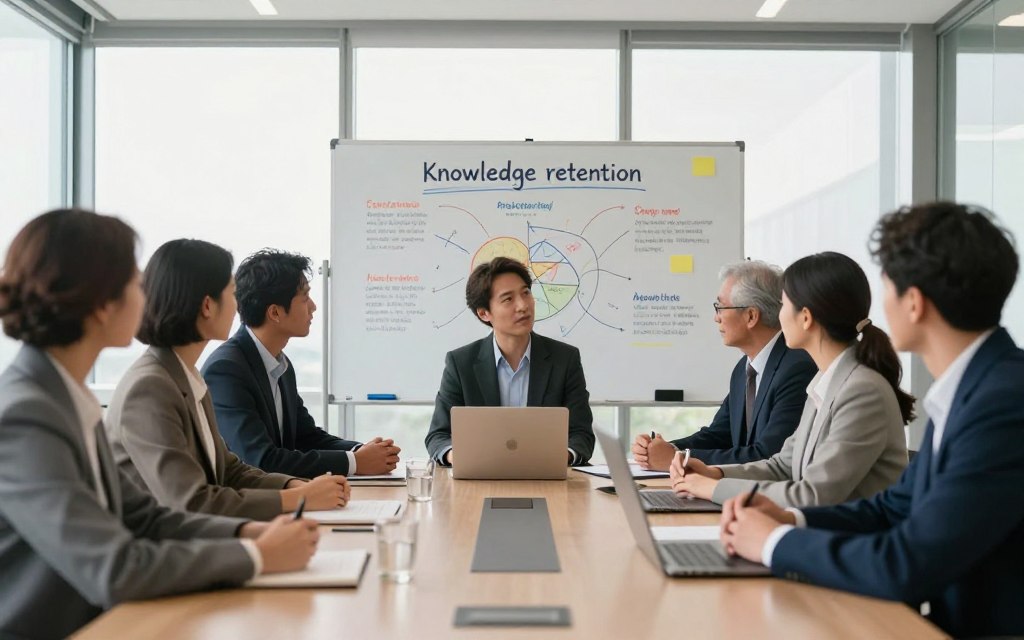
Knowledge retention is about storing, keeping, and using information over time. Short-term recall lets a student answer a question right after a lesson. Long-term retention allows someone to apply that learning months later on a project or test.
Retention depends on three parts: encoding, consolidation, and retrieval. Encoding is how information is first learned. Consolidation makes memories stick. Retrieval is accessing stored knowledge when needed.
Importance in Education and Training
When teachers focus on retention, students learn more and get better grades. Studies show that retention-focused instruction leads to better skill transfer and less re-teaching. Students feel more confident when lessons include retrieval practice and spaced review.
In the workplace, strong retention means fewer mistakes and higher productivity. Companies that manage knowledge well keep their know-how and don’t lose it when staff leave. Metrics like retention rates, quiz performance, and on-the-job application show success.
Practical steps include setting clear goals, offering repeated exposure, and making retrieval practice part of activities. These strategies beat one-off information dumps and reduce retraining time.
The Science Behind Memory
Memory is a mix of biology and behavior. Knowing the basics helps teachers and students improve how well they remember things. We’ll look at the main ideas, what they mean for teaching, and simple ways to apply them in class.
How Memory Works
Encoding starts when we focus and find meaning in information. Paying close attention helps information stick better. But, if we’re distracted, it’s harder to remember new things.
Consolidation moves information from the hippocampus to the cortex. Sleep is key: both slow-wave and REM sleep help solidify memories. Getting enough rest after studying is important.
Retrieval depends on cues and context. Good cues make remembering easier. Neurotransmitters like glutamate help change connections in our brains. Dopamine links rewards to better learning, showing why being interested helps us learn more.
Types of Memory
Sensory memory holds brief impressions, like what we see or hear, for just a few seconds. Short-term and working memory keep information for a short time but need to be repeated to stay.
Long-term memory has two parts: declarative and non-declarative. Declarative memory includes events and facts. Non-declarative memory is about skills and habits. This helps us know how to practice: skills need repetition, facts need to be recalled.
Implications for strategy
- Chunking and scaffolding help by breaking down complex information into smaller parts.
- Spaced practice and retrieval practice strengthen long-term memory. These methods are backed by decades of research.
- Each type of content needs a different approach. Use hands-on drills for skills and quizzes for facts.
Experts in cognitive neuroscience and psychology agree on these strategies. When teachers use the right methods, students learn better and remember more.
Effective Learning Techniques
Good study habits start with being active. Students who actively engage learn more and remember better. The strategies below help you do more than just listen, making studying effective and lasting.
Active Learning Strategies
Active learning puts you in charge. It involves thinking, explaining, or solving, which strengthens your memory and recall.
Try think-pair-share, case studies, practice problems, and self-testing. Teaching others or summarizing in your own words helps you identify gaps. Studies show active learning beats passive listening in understanding and remembering.
Here are some techniques to try today:
- Cornell note-taking to organize your notes.
- The Feynman Technique: explain concepts simply as if teaching a beginner.
- Interleaving related topics to improve understanding and transfer.
- Elaboration: connect new material with what you already know by asking how and why.
- Generation: try to answer questions before looking at the answers to strengthen your recall.
Spaced Repetition
Spaced repetition is key for long-term memory. It involves reviewing material at increasing intervals to solidify it in your memory.
Start with a review within 24 hours, then again after 3–7 days, 2–3 weeks, and monthly. Adjust the intervals based on difficulty and your goals. This method reduces forgetting and helps you master material for the long term.
Use apps like Anki and SuperMemo for spaced repetition. Quizlet also offers spaced features for casual review. Adding question-based flashcards makes passive review active and effective.
| Method | What it Strengthens | When to Use |
|---|---|---|
| Retrieval practice (self-testing) | Recall strength and metacognition | Daily short sessions during study blocks |
| Spaced repetition | Long-term consolidation | Scheduled reviews over days, weeks, months |
| Interleaving | Transfer and discrimination between topics | When studying related skills or problem types |
| Cornell notes + Feynman Technique | Organization and simplified explanation | During initial learning and revision |
Combine these methods for the best results. Use spaced repetition for timing, active recall for testing, and interleaving to mix subjects. Together, they form a powerful set of learning techniques backed by research.
The Role of Engagement
Engagement in learning is more than just listening. It involves actions, emotions, and deep thinking. When students are involved, they focus better, stay motivated, and remember more. This helps them remember things for a long time and use smart learning methods.
Interactive Activities That Work
Interactive learning makes material stick. Try simulations, lab work, role-play, debates, and quizzes like Kahoot. Also, project-based tasks are great. Each activity helps learners remember better during tests and real-life situations.
Technology can make learning more immersive. Tools like Mentimeter or Poll Everywhere for polls, virtual labs, and branching scenarios help learners practice. These tools let learners learn at their own pace and think deeply, which helps them remember more.
Designing Productive Peer Work
Working with peers makes learning more meaningful. It helps learners understand better, see different views, and correct mistakes. Methods like peer instruction, study groups, and group problem-solving make learning more effective.
It’s important to have a plan. Assign roles, use rubrics, and set clear goals. This helps teams work together, track progress, and take responsibility.
| Approach | Example Tools | Primary Benefit |
|---|---|---|
| Simulations & Labs | PhET, virtual lab platforms | Contextual practice and procedural memory |
| Quizzes & Polls | Kahoot, Mentimeter, Poll Everywhere | Immediate feedback and active recall |
| Role-Play & Debates | Classroom scenarios, case studies | Perspective-taking and verbal elaboration |
| Project-Based Learning | Group projects, capstone assignments | Integration of concepts and sustained practice |
| Peer Instruction & Review | Study groups, reciprocal review sessions | Error correction and deeper explanation |
Utilizing Technology
Technology helps teachers reach more students. It supports learning in many ways, like spaced practice and adaptive learning. Schools and companies use these tools to help students remember better.
Here are some ways to use technology to improve memory and performance. Choose the best tools for your situation and students.
Learning Management Platforms
Platforms like Canvas and Moodle help teachers keep content fresh. They can create modules and set up quizzes. This keeps learning active.
These platforms also track student progress. Teachers can adjust lessons based on what students need. Regular quizzes help students remember better.
Mobile Learning Tools
Apps like Anki and Quizlet are great for quick practice. They send reminders and work offline. This makes learning easy to fit into a busy schedule.
Link these apps with classroom lessons. This makes learning more effective by repeating it in different ways.
Adaptive Learning and AI
Systems like Knewton adjust learning to each student. This makes learning more efficient. It focuses on areas where students need help.
It’s important to keep learning personal. Technology should help teachers, not replace them. This keeps learning meaningful and engaging.
Integration Tips and Best Practices
- Link course plans in an LMS to mobile spaced-repetition decks for seamless practice.
- Use analytics to identify forgetting curves and target weak areas with microlessons.
- Apply gamification elements like badges and streaks to boost motivation, while keeping the focus on meaningful practice.
- Combine adaptive algorithms with teacher-led reviews to balance efficiency and context.
Studies show technology helps students remember more. It’s important to design learning carefully. This includes clear feedback and protecting privacy. This way, technology can really help in learning.
Creating a Knowledge-Rich Environment
Designing spaces and curating materials shapes how people learn. A knowledge-rich environment reduces distractions, supports sustained attention, and makes review quick. Small changes in layout and tools can boost daily study habits and offer clear information retention tips.
Physical Space Adjustments
Start with seating that supports posture. Comfortable chairs and adjustable desks cut fatigue and help focus for longer study sessions.
Light matters. Use warm daylight bulbs near work areas and task lamps for reading. Good lighting reduces eye strain and supports concentration.
Keep clutter low. A tidy desk and labeled storage create clear visual cues. Dedicated study nooks or quiet corners build context that helps memory retrieval.
Control ambient factors. Some learners prefer low background noise such as a coffee-shop playlist, while others need silence. Maintain a moderate room temperature and add plants to improve mood and air quality.
Plan breaks into the schedule. Short, regular pauses restore attention and make spaced practice more effective.
Resources and Materials
Curate high-quality resources and materials that match learning goals. Include textbooks, peer-reviewed articles, and multimedia like lecture videos and podcasts for varied input.
Create concise reference aids. Annotated slides, cheat-sheets, and one-page summaries make review quicker and strengthen retrieval.
Organize both physical and digital files. Use labeled folders, clear filing systems, and cloud services such as OneDrive or Google Drive to reduce cognitive load and speed up access.
Use checklists and templates for repeated tasks. Practice banks, flashcard decks, and spaced review schedules turn study into a system instead of ad hoc work.
Build learning artifacts. Portfolios, concept maps, and curated playlists track progress and support long-term review. Reference cards and annotated bibliographies help learners revisit core ideas fast.
Make accessibility standard. Provide captioning, alt text, adjustable fonts, and clear layouts so all learners can use resources. Inclusive design raises retention for diverse groups.
| Area | Simple Adjustment | Impact on Learning |
|---|---|---|
| Seating | Ergonomic chair or adjustable desk | Reduces fatigue, improves sustained attention |
| Lighting | Task lamps and warm daylight bulbs | Less eye strain, clearer focus during reading |
| Organization | Labeled storage and cloud folders (OneDrive/Google Drive) | Faster retrieval, lower cognitive load |
| Study Tools | Cheat-sheets, flashcards, practice banks | Supports review and strengthens memory cues |
| Environment | Moderate noise options, plants, temperature control | Improves comfort and mood for better focus |
| Accessibility | Captioning, alt text, adjustable font sizes | Equal access, improved retention across learners |
Use these practical steps as a checklist when setting up classrooms, study nooks, or offices. Thoughtful physical space adjustments and well-chosen resources and materials offer clear information retention tips that help people learn more efficiently.
Mind Mapping for Retention
Mind maps organize facts into clear, visual layouts. They help learners see connections between ideas. This makes studying easier and faster.
Benefits of Visual Organization
Visual layouts engage both sides of the brain. This supports better learning. Mind maps improve memory and make studying easier.
Studies show visual organization helps in recalling information. It provides many memory cues. This makes learning stick better.
Mind maps use chunking and elaboration. Chunking groups related items. Elaboration adds examples and connections for deeper understanding.
Step-by-Step Guide to Build One
Begin with a central phrase in the middle. Use single keywords for major categories. Add sub-branches for details and examples.
Use colors and icons to mark important nodes. Keep each branch focused. Review and update maps often. Turn key nodes into flashcards for spaced review.
Tools, Formats, and Uses
Analog tools like paper and pens are great for groups. Digital tools like MindMeister and XMind are easy to access. They support brainstorming and studying.
- Brainstorming and idea capture
- Lecture note-taking and exam prep
- Project outlines for study sessions
Learning to make effective mind maps boosts study skills. Using mind maps with other strategies enhances learning. It makes complex topics easier to understand.
The Importance of Feedback
Feedback helps learners bridge the gap between what they know and what they want to learn. It makes sure they understand correctly, fixes mistakes, and guides them in the right direction. Regular feedback helps learners get better and stay on track.
Providing Constructive Criticism
When giving feedback, focus on actions and results, not the person. Explain what’s working and what needs improvement. Then, tell them what to do next. Use rubrics to keep feedback fair and consistent.
Give quick feedback for simple tasks and detailed feedback for harder ones. This helps learners think deeply. Mix feedback from teachers, peers, and tools like Canvas or Coursera for a steady stream of input.
Self-Assessment Techniques
Teach learners to use tools like checklists and journals to track their progress. Encourage them to grade their work using rubrics and rate their confidence. When they make their own questions, they practice and learn more about their understanding.
Use exercises like comparing pre-test and post-test scores to show where they need to improve. Encourage study habits that include regular practice and review. Regular, low-stakes checks help learners adjust and apply feedback right away.
Setting Goals for Retention
Clear goals give study time direction and help turn effort into lasting gains. When setting goals for retention, link each goal to a review plan and trackable measures. Break big goals into smaller steps to keep practice focused and progress clear.
SMART goals framework
Use the SMART goals framework to make targets useful. Specific means naming the exact content to learn, like “master 50 anatomy terms for the cardiovascular system.” Measurable defines how you check success, for example quiz scores or recall counts. Achievable keeps goals realistic given your weekly hours. Relevant ties the work to course needs or job tasks. Time-bound sets deadlines and review checkpoints like daily flashcards or weekly quizzes.
Short-term vs. long-term goals
Short-term vs long-term goals play different roles in retention. Short-term goals focus on immediate learning steps: learn a concept this week, finish three spaced reviews, or complete a practice test. Long-term goals aim for mastery across months, such as retaining curriculum knowledge through the end of term or sustaining competency for a role.
Short-term wins feed long-term retention when you schedule spaced repetition and cumulative review. Use daily micro-goals to support weekly milestones that map back to the big target.
Action planning and monitoring
- Backcast from long-term goals to create weekly and daily tasks.
- Schedule specific review sessions and mix retrieval practice with spaced intervals.
- Track progress with LMS analytics, habit trackers, calendar reminders, or a simple progress journal.
Motivation and support
Pair intrinsic motivators, like a sense of growing competence, with extrinsic supports such as study groups or accountability partners. Small rewards after meeting short-term goals keep momentum strong and make knowledge retention strategies easier to follow.
Different Learning Styles
People learn in many ways. Knowing these styles helps teachers and learners find the best methods. Use these preferences as a guide, not a rule, and add proven ways to remember.
Identifying Preferences
Begin by watching how students study. Look for patterns in their habits. Do they highlight notes, make diagrams, or remember better after talking?
Use short quizzes and prompts to understand their preferences. Try different methods like videos, group talks, and writing. See which one helps them remember best.
Tailoring Strategies
Match strategies to what each student needs, but always keep proven methods first. Visual learners do well with mind maps and color notes. Add retrieval practice to help them remember.
Auditory learners benefit from listening to recordings and group talks. Encourage them to explain things out loud and use spaced repetition.
Kinesthetic learners need hands-on activities like labs and role-plays. These activities help them remember better.
Read/write learners like structured notes and written tests. Mixing writing with retrieval practice helps them remember longer.
Use a mix of visuals, narration, and hands-on tasks. This way, materials reach more senses and help memory.
Focus on methods that work for everyone, like retrieval practice and spaced repetition. Tailoring strategies to each student boosts motivation and improves results. This approach works better than just following one style.
The Impact of Stress on Retention
Stress changes how we store and get information from our brains. A little stress can make us focus better on big events. But too much stress can hurt the hippocampus and make it harder to remember things.
Feeling stressed during tests can make it tough to remember what we learned. Knowing how stress affects learning helps teachers and bosses pick better ways to teach and test.
Stress Management Techniques
Simple habits can help calm our bodies and keep our memories sharp. Just ten minutes of guided mindfulness or breathing can help us focus better.
Quick exercises like progressive muscle relaxation or short walks can help us relax during study or work. Getting enough sleep and planning study times can also reduce stress. Apps like Headspace and Calm, along with campus counseling, offer support.
For test anxiety, practice under test-like conditions and use relaxation techniques before tests. Learning to handle stress through small steps and quizzes can help us remember better.
Creating a Positive Learning Atmosphere
Feeling safe and knowing what’s expected can lower stress and help us learn better. Praising effort and using positive language can encourage us to keep trying.
Instead of punishing mistakes, use checks and support to help us learn. Working in teams and having mentors can make learning more enjoyable and effective.
Companies should manage workloads, give breaks, and offer mental health support. These actions help keep learning gains and make knowledge more useful in real life.
| Intervention | What It Does | Expected Outcome |
|---|---|---|
| Mindfulness / Breathing (10 min) | Reduces cortisol, improves focus | Better working memory, improved consolidation |
| Progressive Muscle Relaxation | Releases tension, lowers arousal | Fewer retrieval blocks during tests |
| Short Physical Breaks | Increases blood flow, refreshes attention | Enhanced sustained attention and retention |
| Sleep Hygiene | Supports hippocampal function | Stronger long-term memory improvement |
| Formative Assessments | Reduces punitive pressure, builds mastery | Higher engagement, steady knowledge gains |
| Workload Management Policies | Prevents burnout, allows recovery | Improved retention of training material |
Reducing stress can lead to better focus and memory. Using stress management and memory techniques together creates a strong learning base. Small changes in how we learn can make a big difference.
Continuous Improvement of Strategies
Keeping learning methods up-to-date is key. Regularly review and adjust strategies to match changing learners and goals. This ensures cognitive retention strategies work well for all, no matter the content or delivery method.
A quick cycle of testing, feedback, and updates helps spot and fix issues early. This way, teams can address problems before they get bigger.
Evaluating Effectiveness
Use both numbers and stories to measure success. Pre/post-tests and spaced recall checks are good tools. Also, look at learning management system data like retention curves.
Include learner feedback, task assessments, and real-world performance. Try A/B experiments for small changes. Check app stats, like Anki retention reports, to see if changes work.
Adapting Techniques Over Time
Use data to guide decisions by setting clear goals, like percent retained after a month. Look at forgetting curves to focus on high-decay topics. Adjust spaced intervals and active tasks as needed.
Personalize study plans as learners get better. Test new tools and scale up what works. Invest in ongoing learning in memory science and instructional design.
Make sure to document successes and share knowledge. This way, teams can keep improving strategies. By using proven methods like spaced repetition and timely feedback, understanding and retention will grow over time.