
Advertisement
Did you know that over 80% of students often ask, “Why do I need to learn this?” This common question highlights a crucial gap in traditional education. As we dive into this guide, we will explore how learning through real-world examples can make education not just relevant but also exciting.
When you connect abstract concepts to everyday experiences, they become tangible and memorable. This approach transforms the way we think about knowledge, making it applicable to our lives. Whether you are a student, a parent, or simply curious, understanding this method can lead to personal growth and better problem-solving skills.
This guide aims to answer the questions you might have about the value of real-world examples in education. By the end, you will see how to turn daily moments into powerful learning experiences that enhance retention and save time.
So, get ready to discover how embracing this method can change your perspective on education forever!
Understanding Why People Turn to Real-Life Learning
Have you ever sat in a classroom and wondered how the lessons apply to your everyday life? This feeling is common among students, employees, and lifelong learners. When faced with the question, “Why do I need to learn this?”, it often stems from a genuine desire for relevance, not disinterest.
People are naturally drawn to real-life learning because it connects knowledge with practical applications. Here are some reasons why this shift is happening:
- Many learners experience a disconnect in traditional settings, leading them to question the material’s relevance.
- The question “Why do I need to learn this?” reflects a need for meaning in education.
- Real-life learning directly addresses this need by linking knowledge to daily experiences.
- Traditional school environments sometimes fail to make lessons feel applicable, prompting a search for more engaging methods.
- People seek ways to make education practical and relevant to their lives.
- When learning resonates, it sparks curiosity and motivation in students of all ages.
- Validating the question of relevance builds trust and fosters deeper engagement.
- Making education relevant raises the bar, ensuring every lesson has a clear purpose.
This collective desire for meaningful education drives the shift toward real-life learning. By addressing the challenges of traditional education, we can create experiences that truly prepare individuals for the opportunities of the real world.
What Is Real-Life Learning? Exploring Its Meaning and Core Principles
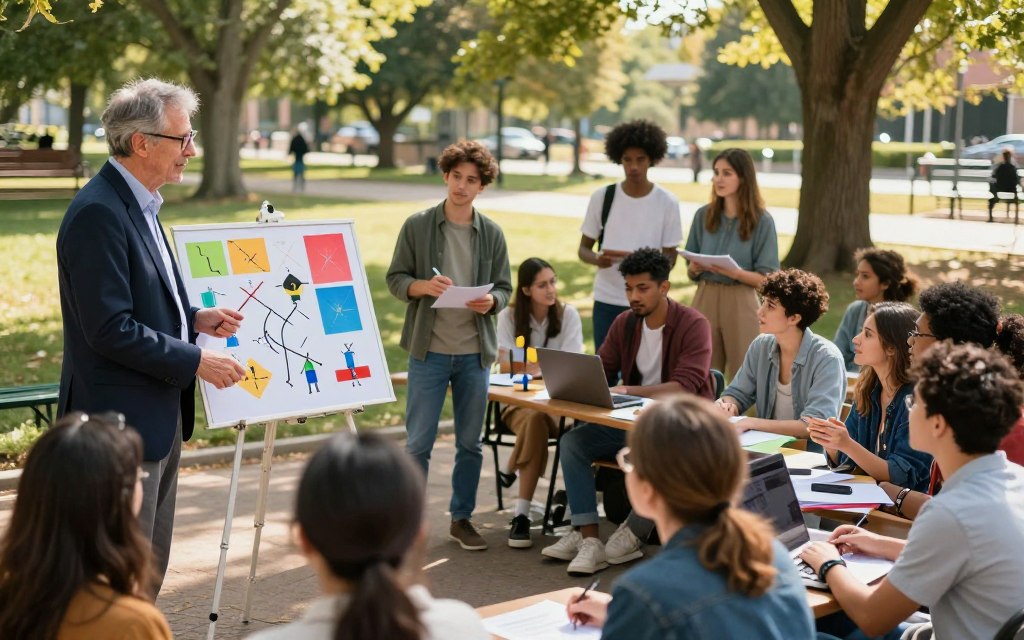
Imagine learning in a way that connects directly to your daily life and experiences. This approach, known as real-life learning, focuses on using knowledge to solve real problems, engage with real projects, and connect with real people. It transforms education from a passive experience into an active one, where students can see the relevance of what they learn.
At its core, real-life learning encompasses several key elements:
- Hands-on experience: Students engage in activities that require them to apply their knowledge in practical situations.
- Community engagement: Learning often involves collaboration with local businesses and organizations, creating a sense of connection.
- Direct application of knowledge: Lessons are grounded in real-world contexts, making them more meaningful.
This method transforms abstract topics into tangible lessons. For instance, a student studying math might visit a local business to see how a shop owner uses percentages to calculate discounts. This experience turns a classroom concept into a memorable moment.
Internships and job shadows also play a crucial role. They allow learners to step into professional environments and solve real problems alongside experienced mentors. This not only builds skills but also boosts confidence.
Moreover, real-life learning includes creating presentations for actual audiences. This teaches essential communication and critical thinking skills that traditional tests often overlook.
Even young children can benefit from this approach. They can participate in walking field trips to parks and theaters, where they interview local artists and business owners. These activities bring lessons to life in a way that is engaging and fun.
It’s important to note that real-life learning does not abandon traditional subjects. Instead, it enriches them by showing how math, reading, and science connect to the world around us.
A great example of this approach in action is at Crossroads Charter Schools. Here, students from kindergarten through 12th grade experience real-life learning. Elementary students might take walking field trips, while middle schoolers create business proposals for local companies. High schoolers intern with organizations through the Kauffman Foundation’s Real World Learning initiative.
In summary, real-life learning is built on a simple yet powerful idea: when knowledge is connected to real problems and experiences, it becomes unforgettable.
| Key Elements | Description |
|---|---|
| Hands-on Experience | Engaging in activities that apply knowledge practically. |
| Community Engagement | Collaborating with local businesses and organizations. |
| Direct Application of Knowledge | Lessons grounded in real-world contexts. |
How Real-Life Learning Improves Understanding and Retention
The way our brains function is fascinating, especially when it comes to remembering useful information. Studies show that when students see how lessons apply to their lives, they retain knowledge better. This is because the human brain is wired to remember information that feels relevant and useful.
Connecting Knowledge to Real Problems
When learners connect knowledge to real problems, it creates a mental “hook” that makes lessons stick. The brain prioritizes information that has been used to solve an actual challenge or improve a real situation. This engagement encourages students to ask better questions and seek additional knowledge.
Encouraging Curiosity, Creativity, and Critical Thinking
Real-life learning naturally fosters curiosity by presenting open-ended challenges. These challenges invite learners to explore, experiment, and discover, rather than just memorize facts. As they work on authentic projects, they are free to think outside the box and develop innovative solutions.
Critical thinking also plays a significant role in this approach. Learners must evaluate information, weigh options, and make decisions based on real-world constraints. The skills developed through this method—problem-solving, adaptability, and analytical reasoning—lead to long-term growth and success in any career.
Even if real-life learning feels messier than traditional methods, that very messiness is what makes the lessons powerful and enduring. When learners see the direct impact of their work on their community or their own lives, they experience a sense of ownership and pride. This fuels further learning and personal growth.
In conclusion, real-life learning does not just teach facts; it teaches individuals how to think, how to solve problems, and how to apply knowledge in ways that last a lifetime.
Real-Life Learning in Action: School and Community Examples
Picture a classroom where lessons extend beyond textbooks and into the vibrant streets of the community. At Crossroads Charter Schools in Kansas City, this vision comes to life. Here, students of all ages experience education that connects directly to their surroundings.
Elementary to High School Experiences
Elementary students embark on walking field trips to local parks, theaters, and city landmarks. Instead of just reading about their city in a textbook, they engage with it. These kids have the opportunity to interview local artists, business owners, and civic leaders, turning their community into a living classroom full of real people with real stories.
Middle schoolers take this a step further by creating actual business proposals for local companies. This experience gives them a taste of entrepreneurship and professional communication long before they enter the workforce. Science lessons come alive as students explore city infrastructure and ecosystems firsthand, studying water systems, green spaces, and urban planning.
High school students gain hands-on experience through internships with real organizations and startups in Kansas City. This not only builds their resumes but also helps them discover future career paths. The Kauffman Foundation’s Real World Learning initiative partners with schools like Crossroads to provide these opportunities, connecting students directly to their passions.
Community Engagement and Hands-On Activities
Community engagement is a vital aspect of real-life learning. Students participate in service projects that allow them to give back to their city. These activities teach empathy, citizenship, and teamwork through meaningful action.
The downtown Kansas City location of Crossroads Charter Schools makes the entire city accessible. Students are just one block from city hall and minutes from art galleries, nonprofits, and startups. This proximity means the city truly becomes their classroom.
These examples are not isolated experiments. They are part of a deliberate, school-wide commitment to making education relevant, hands-on, and connected to the real world at every grade level. As one student put it,
“Learning here feels like an adventure, not just a class!”
| Grade Level | Activities |
|---|---|
| Elementary | Walking field trips, interviews with local figures |
| Middle School | Business proposals, science exploration of city ecosystems |
| High School | Internships, Real World Learning initiative |
The Benefits of Real-Life Learning for Students, Kids, and Families
Learning beyond the classroom walls creates opportunities for growth and development. This approach offers numerous benefits that extend not only to students but also to their families. By engaging with real-world experiences, kids and students build essential skills that shape their futures.
One of the most immediate benefits is the genuine confidence that real-world learning fosters. Students take pride in their accomplishments, which go beyond mere test scores. They gain real-life achievements that boost their self-esteem and motivation.
Building Confidence and Communication Skills
Communication skills develop naturally as learners present to real audiences, interview community members, and collaborate on projects. These activities require clear and effective expression of ideas, helping students articulate their thoughts confidently.
Fostering Growth Mindsets and Problem-Solving Abilities
Real-world experiences promote a growth mindset. Students learn that challenges are opportunities for improvement, not threats to their self-worth. Each time they tackle a real-world challenge, they strengthen their problem-solving abilities. They learn to think flexibly, adapt to unexpected obstacles, and persist until they find solutions.
These benefits extend beyond individual students. Families who engage in real-world learning together often find their relationships grow stronger. They explore, discuss, and solve problems as a team, creating lasting bonds.
Moreover, this approach keeps kids engaged and excited about their education. By showing them that lessons have a direct impact on their lives and communities, it reduces boredom and burnout.
Long-term success is another advantage. Students who discover potential career paths early through internships and community projects gain a head start on building the lives they want. This proactive approach to education equips them with the skills needed for future success.
It’s important for parents to know that they don’t need to be expert educators. Real-world learning invites them to be curious partners in their child’s growth and discovery. The skills developed—confidence, communication, critical thinking, and resilience—are exactly what employers and communities value most in adults.
In conclusion, the benefits of real-world learning are not just academic; they are deeply personal. This approach shapes kids into capable, compassionate, and curious individuals ready to thrive in all areas of their lives.
Tools and Resources to Support Real-Life Learning
Bringing real-world experiences into education can transform how families and educators approach learning. To help you navigate this journey, we introduce the Real Life Learning Guide, a comprehensive resource designed to bridge the gap between traditional subjects and essential life skills.
This guide covers nine essential topics that are crucial for children to thrive as adults. Each topic is thoughtfully crafted to connect with real-life skills. Here’s a brief overview of what the guide includes:
The Real Life Learning Guide: Nine Essential Life Topics
- Growth Mindset: Encouraging resilience and adaptability.
- Physical Health & Wellness: Understanding the importance of a healthy lifestyle.
- Nutrition: Learning about healthy eating habits.
- Diversity/Inclusion/Belonging: Fostering empathy and respect for all.
- Relationships & Communication: Building strong interpersonal skills.
- Money Basics & Management: Understanding finances and budgeting.
- Leadership: Developing leadership qualities and teamwork.
- Entrepreneurship: Encouraging innovation and business skills.
- Spirituality: Exploring personal values and beliefs.
This guide is packed with impressive content, including:
- 36 real-life lessons
- 100+ book recommendations
- 100+ supporting videos
- 72 family discussion questions
- 80 fun real-life activities
- 36 positive affirmations
Designed for kids ages 6 to 15, the guide is self-paced, allowing families to focus on one topic per month over nine months. This structure fits easily into busy schedules, making it simple to incorporate valuable lessons into daily life.
Supplemental Masterclasses and Family Activities
For those looking to deepen their understanding, the Masterclass Library is an optional add-on. It features over 35 virtual, interactive masterclasses led by experts. These sessions bring the guide’s topics to life in engaging ways, enhancing the learning experience.
The printed guide is available for a one-time payment of $34.97, while a digital copy can be accessed immediately for families eager to start right away. These tools are created by parents who understand the challenges of raising kind, conscious, growth-minded kids. Everything is laid out in simple, manageable steps that take just minutes to implement.
Investing in resources like the Real Life Learning Guide is an investment in a child’s future. It equips them with the tools, knowledge, and skills to not just survive but truly thrive in the real world.
| Content Overview | Details |
|---|---|
| Essential Topics | Growth Mindset, Physical Health, Nutrition, Diversity, Relationships, Money Management, Leadership, Entrepreneurship, Spirituality |
| Real Life Lessons | 36 |
| Book Recommendations | 100+ |
| Supporting Videos | 100+ |
| Family Discussion Questions | 72 |
| Fun Activities | 80 |
| Positive Affirmations | 36 |
Applying Real-Life Learning to Everyday Life for Lasting Growth
Transforming daily activities into learning experiences can lead to lasting growth. By integrating real-life lessons into school, home, and community environments, we can create a rich tapestry of knowledge that supports continuous development.
At school, teachers can connect math lessons to local business scenarios. For example, students can analyze prices at a nearby store to practice their math skills. In science classes, exploring neighborhood ecosystems can make lessons more engaging. This hands-on approach allows students to see the real-world application of their studies.
Bringing real-life learning into the home is equally impactful. Involve kids in budgeting for groceries to teach money management. Cooking together can explore nutrition and the importance of following instructions. These activities provide practical experiences that reinforce essential skills.
Community environments also serve as excellent extensions of the classroom. Libraries, museums, local shops, and parks offer endless opportunities for hands-on experience and discovery. Families can visit these places together, turning outings into learning adventures.
Importantly, real-life learning doesn’t require large blocks of time. Even small, intentional moments can be valuable. A quick 10-minute discussion about a news article or a family brainstorming session can build essential skills.
The Real Life Learning Guide offers bite-sized lessons that fit into busy schedules. Families can focus on one topic per month, making meaningful learning sustainable. This flexibility allows for impactful lessons without overwhelming anyone.
Modeling a growth mindset is crucial as well. Parents and educators should demonstrate that learning is a lifelong journey. Solving real problems is something people do at every age and stage of life. This mindset encourages kids to embrace challenges and see them as opportunities for growth.
Moreover, real-life learning fosters lifelong skills like communication, adaptability, and financial literacy. These skills lead to success in any job or career path. Remember, you are likely already engaging in some form of real-life learning every day. The goal is to be more intentional about recognizing and building on those moments.
The multi-sensory approach of combining videos, journal questions, hands-on activities, and family discussions makes learning more engaging. This helps lessons stick for the long term, ensuring that the knowledge gained is not forgotten.
In conclusion, applying real-life learning to everyday life is not about adding more to an already full plate. It’s about transforming ordinary moments into extraordinary opportunities for growth, connection, and lasting success.
Conclusion
Thank you for exploring this guide that highlights the power of practical education. We hope you feel inspired to connect knowledge to real problems and transform everyday experiences into opportunities for growth.
Remember, you don’t need to change everything at once. Small, intentional actions can significantly impact how kids and students engage with the world. The question, “Why do I need to learn this?” reflects a genuine desire for relevance, and this approach honors that curiosity.
We encourage you to explore the tools and resources mentioned, such as the Real Life Learning Guide, which can support you at home or in school. Additional resources like the 5 Minute Gratitude + Affirmation Journal can help foster growth and connection.
Real-life learning is a mindset that enriches people of all ages, preparing them to tackle challenges and make a difference. Take what you’ve learned and put it into practice, knowing that every experience is a chance to learn, grow, and thrive.